How to Choose the Right Flatbed Trailer for Your Fleet
A complete technical guide on selecting the ideal flatbed trailer — including chassis type, axle setup, suspension choice, material strength, load distribution and regional operating conditions.
Why Choosing the Right Flatbed Trailer Matters
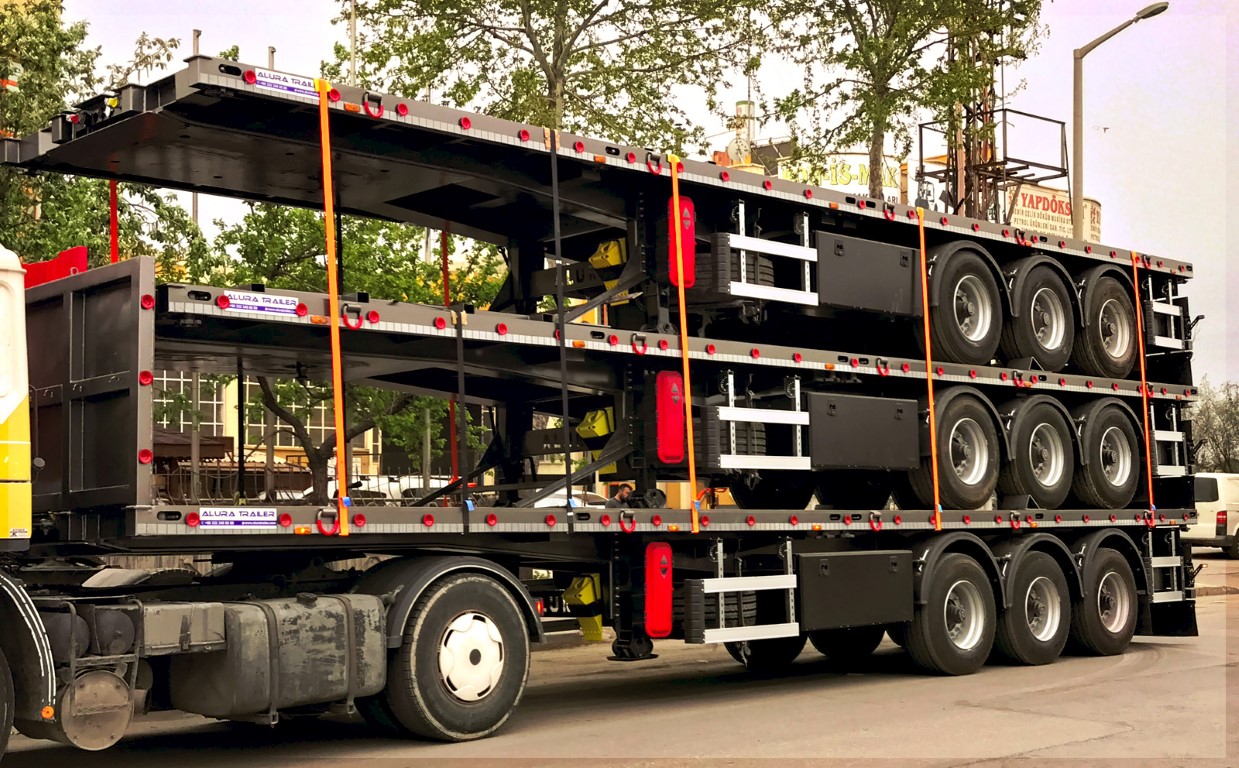
A flatbed trailer is one of the most versatile transport units in any logistics or construction fleet. The correct model increases loading efficiency, reduces downtime, improves safety and lowers maintenance costs.
In this guide, we explain the key engineering factors to consider when selecting the right flatbed trailer for your operational needs.
1. Define Your Cargo Type & Weight
The first step is to identify the type of cargo you will carry. Flatbeds are commonly used for:
- Steel & construction materials
- Containers (20ft / 40ft)
- Machinery & industrial equipment
- Palletized goods and general cargo
For heavy machinery or steel bundles, choose a reinforced high-tensile steel chassis (S355/S700) with increased torsional resistance.
2. Chassis Construction — How Strong Should It Be?
The durability of a flatbed trailer largely depends on its chassis design. Alura Trailer manufactures flatbeds with:
- I-beam welded structure
- High-strength steel frame (S355/S700 MC)
- Robotic welding for perfect penetration & repeatability
- Reinforced cross members for heavy-duty operations
For long-distance operations and ports, a strong yet lightweight chassis ensures both durability and payload efficiency.
3. Axle Configuration — 2, 3, or 4 Axles?
Your axle choice should reflect:
- Gross vehicle weight
- Road regulations in your region
- Load distribution requirements
3-axle flatbeds are the standard for international transport. 4-axle models are preferred in countries with strict axle-weight laws. For construction fleets, 2-axle drawbar or short flatbeds provide excellent maneuverability.
4. Suspension System — Air or Mechanical?
Air Suspension is ideal for:
- International transport
- Sensitive cargo
- Smoother ride & less wear on the trailer
Mechanical Suspension is recommended for:
- Africa & Middle East rough roads
- Mining, construction and off-road use
- Low maintenance environments
Alura can supply both systems with BPW, SAF or KOC axles depending on customer preference.
5. Length Options — Standard or Extendable?
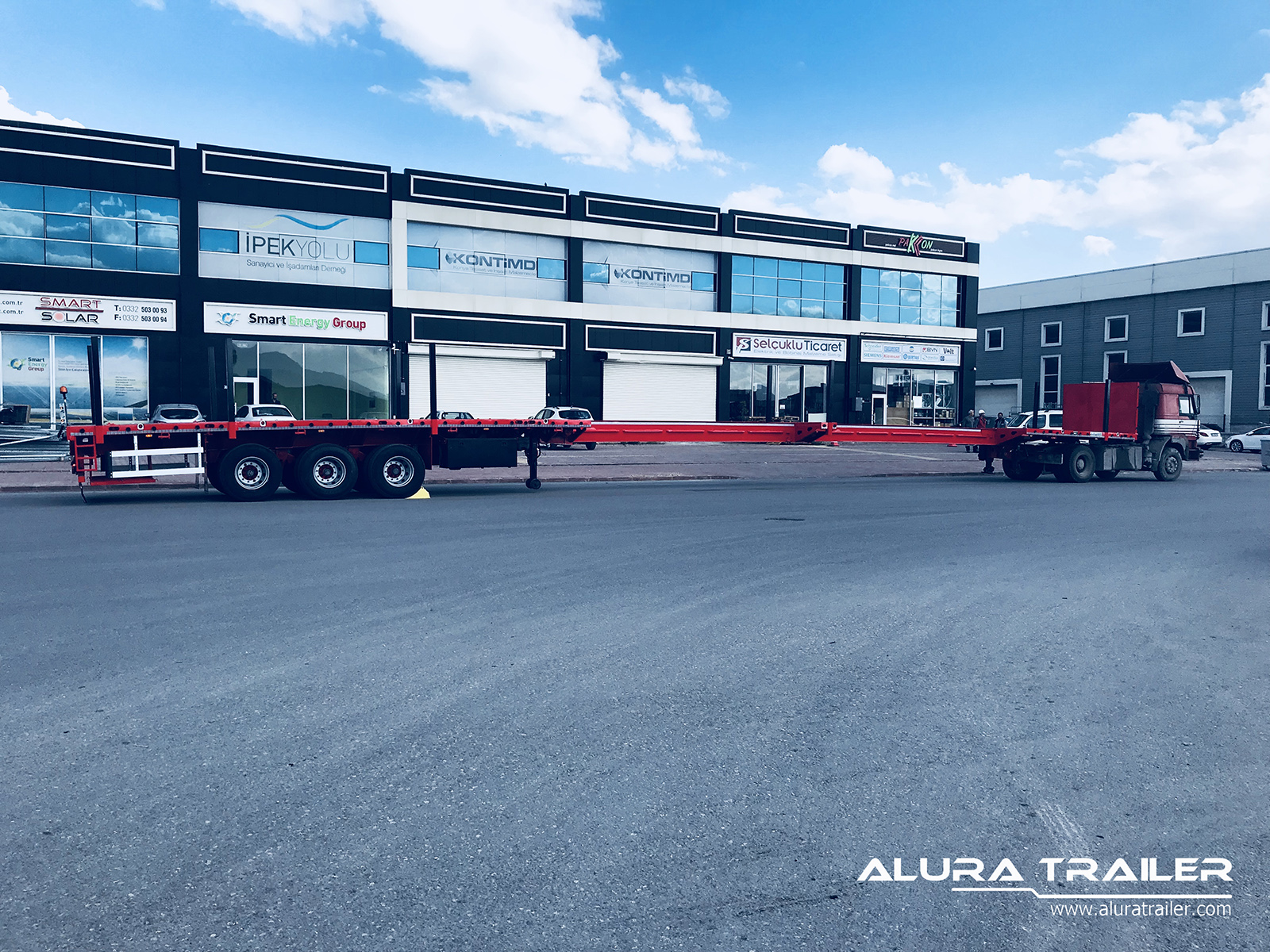
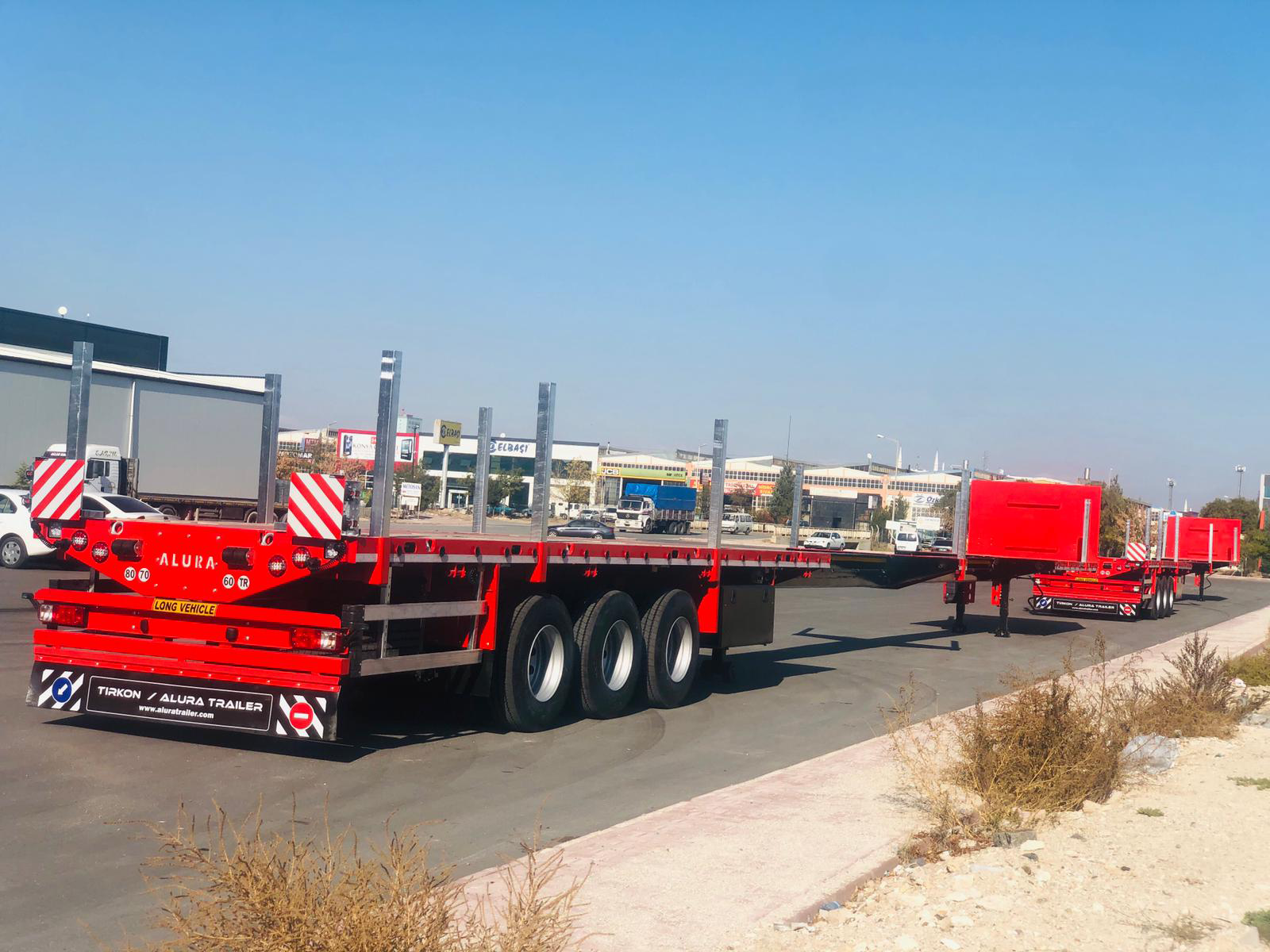
Most fleets use 12m / 40ft flatbeds. However, if you transport long beams, pipes or prefabricated structures, an extendable flatbed provides telescopic reach up to 20–22 meters.
6. Floor Material — Steel, Hardwood, or Mixed?
Your floor choice impacts durability and maintenance:
- Steel — strongest option, best for heavy-duty work
- Hardwood — absorbs vibration; excellent for general cargo
- Mixed — steel + hardwood for balanced performance
7. Twistlocks & Container Transport
If your fleet carries containers, choose a model with:
- 4× 20ft twistlocks
- Optional 40ft twistlocks
- Gooseneck recess for high-cube compatibility (if needed)
8. Regional Requirements — Not All Markets Are the Same
For Africa:
- Mechanical suspension
- Drum brakes
- Heavy-duty chassis reinforcements
- High ground clearance
For Europe:
- Air suspension
- Disc brakes
- EU Type Approval
- Lightweight but high-strength steel structures
For Ports & Terminals:
- Gooseneck recess
- Double twistlock system
- High skid-resistance floor
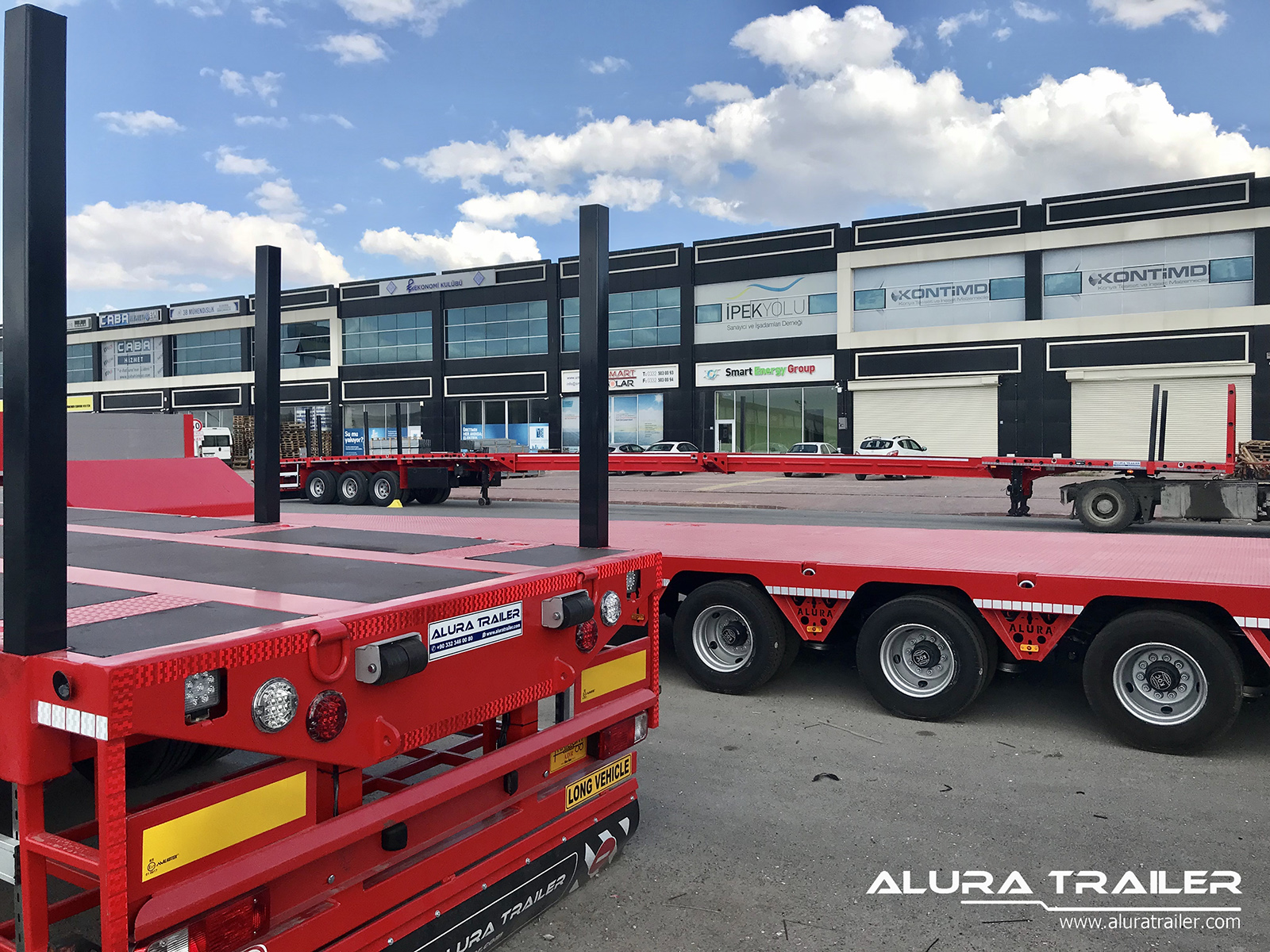
Image Gallery

Need Help Choosing the Right Flatbed Trailer?
Alura Trailer offers expert guidance, custom engineering and worldwide delivery. Whether you operate in Europe, Africa, the Middle East or Latin America, we can build the ideal trailer for your fleet.
Request Technical Consultation