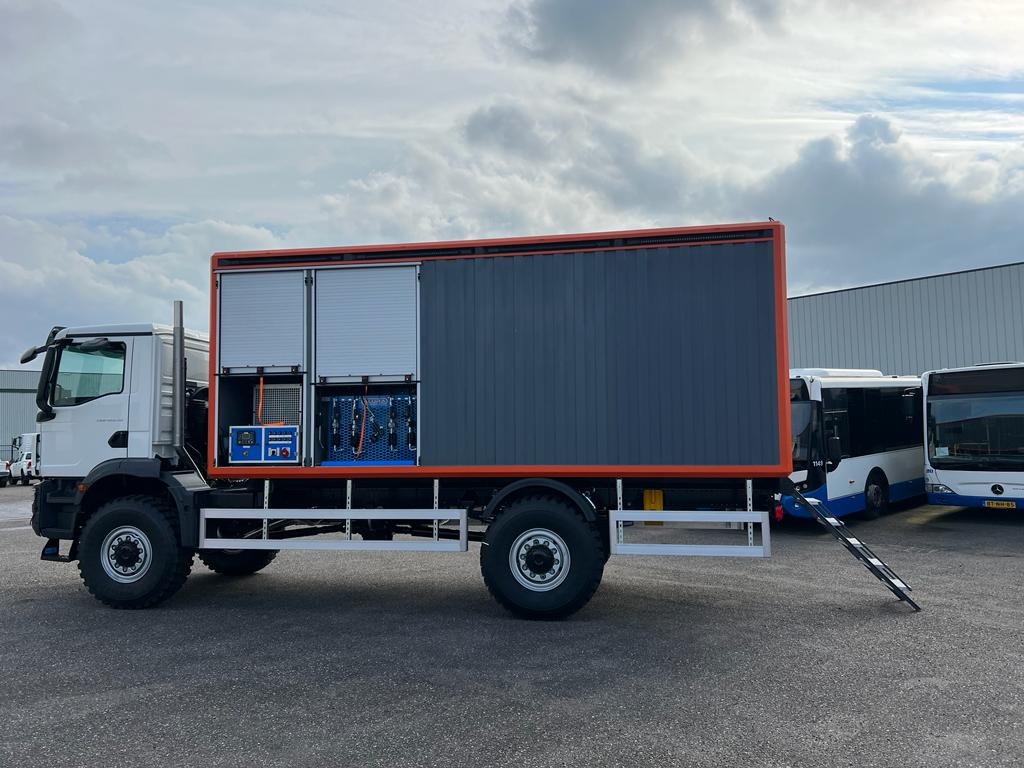
Mobile Workshop Truck Design: Engineering Principles & Functional Layout
Designing a mobile workshop truck requires careful planning of structural strength, equipment integration, power systems, and technician workflow. A well-designed service truck ensures reliable field operations for mining, construction, fleet maintenance, and remote service zones.
1. Structural Design & Chassis Selection
The truck chassis must safely carry tools, generators, compressors and spare parts. Important engineering considerations include:
- GVWR capacity: Prevents overloading during field operations.
- Reinforced subframe: Reduces vibration and increases body stability.
- Correct wheelbase and axle configuration: Improves handling and durability on rough terrain.
2. Body Construction & Interior Layout
The interior should maximize technician efficiency and minimize downtime. Typical material options include steel, aluminium or composite panels.
Interior Zoning
- Tool storage drawers and racks
- Steel workbench with vise or welding setup
- Machine zone for compressor and generator
- Shelves for spare parts and consumables
- Safety area with PPE cabinet and fire equipment
3. Power Systems & Electrical Integration
Generator
- Diesel generator (6–15 kVA) for tools, lighting and machines
Electrical Distribution
- 220V/380V industrial sockets
- Circuit breakers and RCD protection
- LED interior and exterior lighting
- Shore-power external input
4. Air System & Pneumatics
Compressor Types
- Belt-driven piston compressors
- Screw compressors for continuous duty
Air Distribution
- 100–300 L air tank
- Moisture separator
- Wall-mounted hose reels
- Pressure regulator with quick couplers
5. Safety & Environmental Control
- Roof ventilators and side louvers
- Fire suppression system
- Heat-insulated compartments
- Exterior LED floodlights
6. Exterior Equipment
- Rear ladder and non-slip flooring
- Side toolboxes
- External generator fuel tank
- Optional light crane
- Folding awning for outdoor repairs
7. Custom Options
- Water tanks and pumps
- Portable welding systems
- Battery booster packs
- Diagnostic equipment
- Tire inflation and hose-crimping systems
8. Why Proper Design Matters
A well-designed mobile workshop reduces downtime, cuts repair costs and ensures continuous operation for fleets working in remote regions. It also improves technician safety and overall service efficiency.
9. Build Your Custom Configuration
You can design your own mobile workshop layout and equipment setup using the configurator:


